bioRxiv
·
October 7, 2026 ·
Preprint
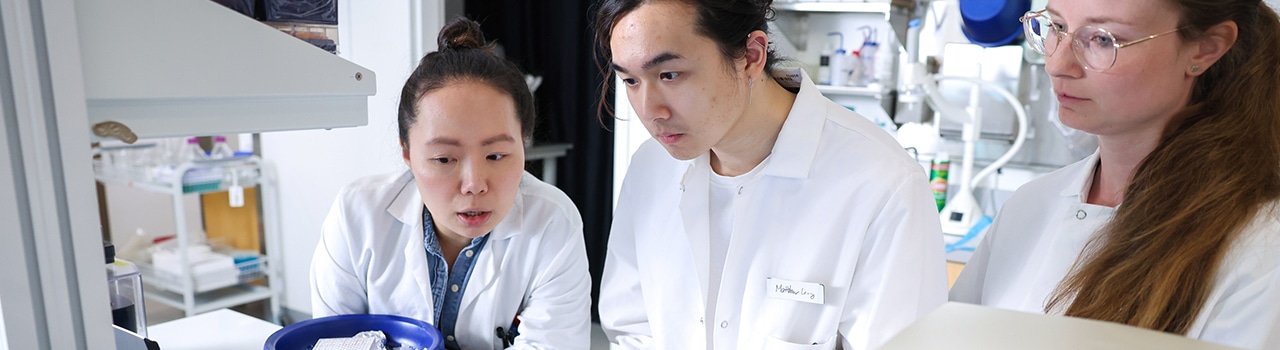
Machine learning-assisted directed evolution yields dramatic improvement on novel AAV engineering task.


 Biology, Genomics & Technology
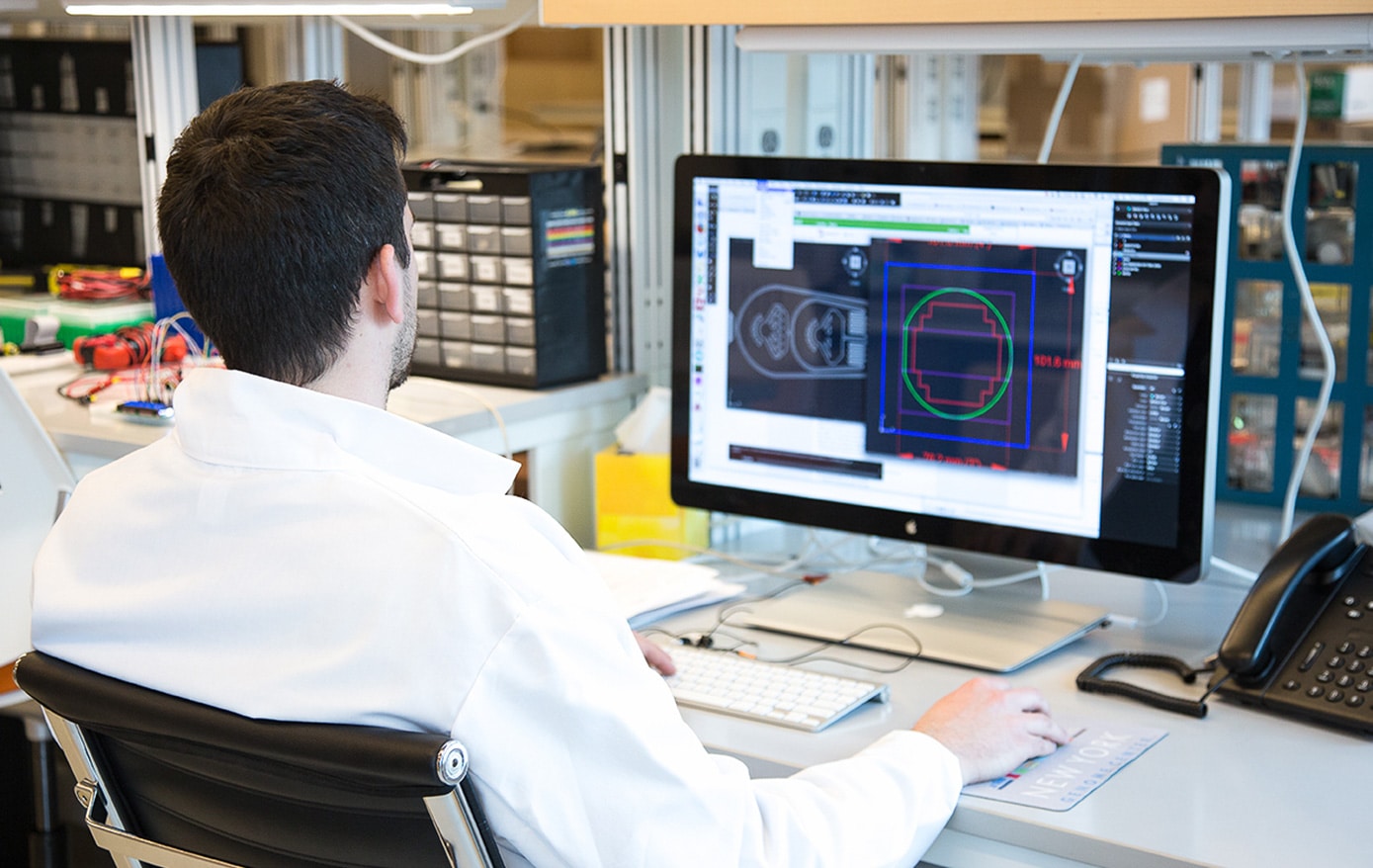
The NYGC’s faculty, staff scientists, and research partners are focused on advancing the development and deployment of novel genomic technologies, including molecular diagnostic testing, liquid biopsy, single-cell analysis, CRISPR gene editing, spatial transcriptomics, and other laboratory computational methods.
In 2020, the NYGC established the Center for Integrated Cellular Analysis and appointed Rahul Satija, PhD, as Director of the Center. Funded through the Centers of Excellence in Genomic Science program of the National Human Genome Research Institute, the mission of the Center is to develop a comprehensive suite of technologies and analytical methods to measure and integrate the molecular and environmental determinants of cellular identity. This will address critical challenges in data integration, and produce software, protocols, and strategies. The Center represents a collaboration between six institutions across NYC, and will disseminate technologies, protocols, and software that will be applicable to diverse biological systems. To learn more about the investigators, projects, and educational opportunities, please visit the center website.

The NYGC’s Enabling Technology Scientific Working Group, led by NYGC Senior Scientific Director of Cancer Genomics Samuel Aparicio, PhD, brings together researchers from our Institutional Founding Members, NYGC faculty, senior faculty, NYGC technology development and computational scientists, and affiliate members to build collaborative initiatives in single cell and spatial transcriptomics and share new technologies with the scientific community to advance precision medicine.


 Neuropsychiatric Disease
  Research Sequencing
 Technology Development